Blurred Vision Treatment: Restore Clear, Sharp Eyesight
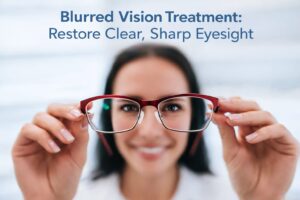
Experiencing blurred vision can be frustrating and concerning, affecting your ability to read, drive, work, and enjoy daily activities. Whilst occasional blurriness might be harmless, persistent or sudden vision changes warrant professional evaluation. At The Eye Dr Clinic in West Yorkshire, Mr Mohamed Mohyudin, Consultant Ophthalmic Surgeon, provides comprehensive blurred vision treatment tailored to identify and address the underlying cause of your visual disturbance.
Understanding Blurred Vision
Blurred vision occurs when objects appear out of focus, hazy, or lack sharpness, making it difficult to see fine details. This common symptom can affect one or both eyes, develop gradually over time, or appear suddenly. The condition ranges from mild annoyance to severe impairment, depending on the underlying cause.
Your vision becomes blurry when light entering your eye fails to focus properly on the retina—the light-sensitive tissue at the back of your eye responsible for clear sight. This misfocus can result from various eye conditions, health problems, or lifestyle factors.
Common Causes of Blurred Vision
Refractive Errors
Refractive errors are the most common cause of blurred vision, affecting how your eye focuses light:
- Myopia (short-sightedness): Distant objects appear blurry whilst near objects remain clear
- Hyperopia (long-sightedness): Near objects are blurry, though distance vision may also be affected in severe cases
- Astigmatism: Vision is distorted at all distances due to irregular corneal curvature
- Presbyopia: Age-related loss of near focusing ability, typically beginning after age 40
Cataracts
Cataracts develop when the eye’s natural lens becomes clouded and opaque, causing progressively blurred vision, glare around lights, difficulty with night vision, and faded colours. This age-related condition is extremely common and highly treatable through surgery.
Dry Eye Syndrome
Dry eyes can cause what seems to be a film over your vision. When your eyes don’t produce enough tears or tears evaporate too quickly, the corneal surface becomes irregular, resulting in blurry vision that often improves temporarily with blinking.
Age-Related Macular Degeneration (AMD)
AMD affects your central vision so that you can’t see what is directly in front of you. This condition damages the macula—the central part of your retina—causing blurred or distorted central vision whilst peripheral vision remains intact.
Diabetic Retinopathy
Poorly controlled diabetes can damage the tiny blood vessels in your retina, leading to leakage, swelling, and vision impairment. Early detection through regular screening is crucial to prevent permanent vision loss.
Glaucoma
With glaucoma, fluid build-up in the eye puts pressure on the optic nerve, potentially leading to vision loss. Whilst early glaucoma may not cause noticeable symptoms, advanced stages can result in blurred vision and peripheral vision loss.
Other Causes
Additional factors contributing to blurred vision include:
- Eye infections (conjunctivitis, keratitis, uveitis)
- Eye strain from prolonged screen time
- Migraines with visual aura
- Medication side effects
- Neurological conditions (stroke, multiple sclerosis, optic neuritis)
- High blood pressure
- Pregnancy-related changes
When to Seek Immediate Medical Attention
Whilst gradual vision changes can often wait for a routine appointment, certain symptoms require urgent evaluation:
- Sudden vision loss in one or both eyes
- Sudden onset of blurred vision accompanied by eye pain
- Flashes of light or sudden increase in floaters
- Curtain or shadow across your visual field
- Double vision that doesn’t resolve when covering one eye
- Blurred vision with severe headache, confusion, or difficulty speaking (possible stroke)
- Vision changes during pregnancy (possible preeclampsia)
These symptoms may indicate serious conditions such as retinal detachment, stroke, or acute angle-closure glaucoma that require emergency treatment to prevent permanent vision loss.
Comprehensive Blurred Vision Treatment Options

Blurred vision treatment depends entirely on identifying and addressing the underlying cause. At The Eye Dr Clinic, Mr Mohyudin conducts thorough examinations to determine the precise source of your visual disturbance and recommends appropriate treatment.
Corrective Eyewear
For refractive errors, prescription glasses or contact lenses are the most straightforward solution. These corrective lenses help your eyes focus light properly on the retina, providing immediate visual clarity. Regular eye examinations ensure your prescription remains accurate as your vision changes over time.
Refractive Surgery
For patients seeking freedom from glasses or contact lenses, refractive surgery options include:
- LASIK: Reshapes the cornea to correct myopia, hyperopia, and astigmatism
- PRK: Alternative corneal reshaping procedure for certain candidates
- Lens replacement: For patients with presbyopia or early cataracts
Cataract Surgery
When cataracts cause blurred vision, cataract surgery is the only effective treatment. This safe, routine procedure removes the cloudy natural lens and replaces it with a clear artificial intraocular lens (IOL), restoring sharp vision. Modern premium IOL options can also correct astigmatism and reduce dependence on reading glasses.
Learn More: Complete Guide to Cataract Removal Surgery
Medical Management
Various medications treat specific causes of blurred vision:
- Eye drops for dry eye syndrome, glaucoma, or infections
- Anti-VEGF injections for wet AMD or diabetic macular oedema
- Steroid treatments for inflammatory conditions like uveitis
- Systemic medications to manage underlying health conditions (diabetes, hypertension)
Laser Treatments
Laser therapy effectively treats several conditions causing blurred vision:
- Laser photocoagulation for diabetic retinopathy
- YAG laser capsulotomy for posterior capsule opacification after cataract surgery
- Laser peripheral iridotomy for angle-closure glaucoma
Lifestyle Modifications
For vision problems related to lifestyle factors, blurred vision treatment may include:
- Rest and reduced screen time for digital eye strain
- Proper lighting when reading or performing close work
- Regular breaks following the 20-20-20 rule (every 20 minutes, look at something 20 feet away for 20 seconds)
- Artificial tears for dry eye relief
- Staying hydrated and maintaining a healthy diet rich in omega-3 fatty acids and antioxidants
The Diagnostic Process at The Eye Dr Clinic
Accurate diagnosis is essential for effective blurred vision treatment. During your comprehensive examination, Mr Mohyudin will:
Review Your Medical History: Discuss when your blurred vision started, whether it’s constant or intermittent, and any associated symptoms or health conditions.
Perform Visual Acuity Testing: Measure how well you see at various distances using standardised eye charts.
Conduct Refraction Assessment: Determine if refractive errors are causing your vision problems and establish your precise prescription.
Examine Eye Health: Use specialised equipment including slit lamp microscopy, ophthalmoscopy, and potentially advanced imaging (OCT, visual field testing) to evaluate your eye structures comprehensively.
Assess for Underlying Conditions: Check for cataracts, glaucoma, retinal problems, and other conditions that may be affecting your vision.
Preventing Blurred Vision
Whilst not all causes are preventable, you can reduce your risk of vision problems:
- Schedule regular eye examinations every one to two years, or more frequently if you have risk factors
- Manage chronic conditions such as diabetes and high blood pressure effectively
- Protect your eyes from UV damage with quality sunglasses
- Maintain a healthy lifestyle with a balanced diet, regular exercise, and no smoking
- Practice good eye hygiene and give your eyes regular breaks from screens
- Wear protective eyewear during sports or activities that could injure your eyes
Why Choose The Eye Dr Clinic?

Mr Mohamed Mohyudin (MBChB BSc MSc FRCOphth CCT) is a highly experienced Consultant Ophthalmic Surgeon registered with the General Medical Council. He specialises in diagnosing and treating the full spectrum of conditions causing blurred vision, from routine refractive errors to complex eye diseases.
At The Eye Dr Clinic in West Yorkshire, we provide:
- Comprehensive diagnostic examinations using state-of-the-art technology
- Personalised blurred vision treatment plans tailored to your specific needs
- Expert surgical and medical management of eye conditions
- Compassionate care in a supportive environment
- Convenient location at Spire Healthcare in Elland, Halifax
Mr Mohyudin takes time to listen to your concerns, thoroughly explain your diagnosis, and discuss all available treatment options, ensuring you feel confident and informed about your eye care.
Frequently Asked Questions About Blurred Vision Treatment
1. Can blurred vision be cured?
Many causes of blurred vision can be effectively treated or corrected. Refractive errors are easily corrected with glasses, contact lenses, or surgery. Cataracts are cured through surgery. However, some conditions like AMD or glaucoma are managed rather than cured, though early intervention can preserve vision.
2. How long does it take to treat blurred vision?
Treatment duration varies by cause. Glasses provide immediate improvement, whilst post-surgical vision stabilises over weeks. Conditions like dry eye may require ongoing management, and serious diseases need long-term monitoring. Mr Mohyudin will discuss your specific timeline during consultation.
3. Is blurred vision always a sign of something serious?
No, blurred vision often results from simple refractive errors or eye strain. However, sudden changes, vision loss, or accompanying symptoms warrant immediate evaluation, as they may indicate serious conditions requiring urgent treatment to prevent permanent damage.
4. Can stress cause blurred vision?
Yes, stress can contribute to blurred vision through multiple mechanisms including eye strain from tension, temporary changes in tear production causing dry eyes, or stress-related migraines. Managing stress and ensuring adequate rest often helps, though persistent symptoms require professional evaluation.
5. Will I need surgery for blurred vision?
Surgery is only necessary for specific conditions like cataracts, severe refractive errors (if choosing surgery over glasses), or certain retinal problems. Most cases of blurred vision are treated with glasses, contact lenses, eye drops, or lifestyle modifications.
Your Vision Matters to Us
Schedule your comprehensive eye examination today and discover how we can help you see the world more clearly.