Eye Conditions Yorkshire: The Complete Guide to Treatment at The Eye Dr Clinic
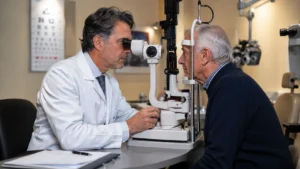
If you’re searching for help with an eye problem, it can be hard to know where to start. Eye conditions Yorkshire patients bring to us range from age-related changes like cataracts to eyelid problems, watery eyes and glaucoma. At The Eye Dr Clinic in Elland, Halifax, Mr Mohamed Mohyudin, a GMC registered Consultant Ophthalmic Surgeon, personally assesses and treats the full range of adult eye conditions, with private appointments available within 1–2 weeks.
This guide brings together every condition we treat in one place, so you can understand your symptoms, see your treatment options, and know what to expect before booking a consultation.
Why This Guide Matters
The Eye Dr Clinic in Halifax treats the full range of adult eye conditions, including cataracts, eyelid malposition, blepharoplasty, watery eyes, glaucoma, dry eye, chalazion, squint and eye infections. Private consultations are available within 1–2 weeks (versus an NHS wait of 6–12 months), with treatment costs typically ranging from £150 for a consultation to £2,800–£4,500 per eye for cataract surgery. Mr Mohyudin sees patients from across West Yorkshire, including Halifax, Huddersfield, Bradford, Leeds and Wakefield.
Eye conditions rarely announce themselves clearly. Blurred vision could mean cataracts, dry eye, or something more serious. A droopy eyelid could be cosmetic ageing or a sign of ptosis affecting your vision. Watery eyes might point to a blocked tear duct rather than simple irritation.
Getting the right diagnosis early matters, both for your comfort and for protecting your long-term eye health. This guide covers the conditions we see most often at The Eye Dr Clinic, with clear explanations of symptoms, causes and treatment routes.
Cataracts: Cloudy Vision That Develops With Age
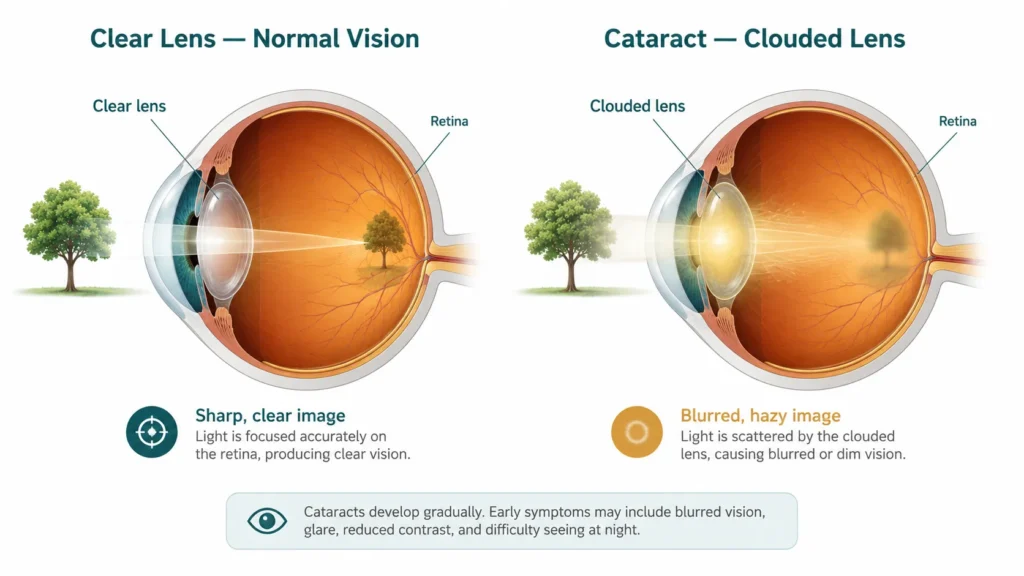
A cataract is a clouding of the eye’s natural lens, usually related to age, though it can also develop after injury or certain medications. It’s the most common reason patients come to see us.
Common signs:
- Cloudy or blurred vision — as if looking through a foggy window
- Increased glare — from headlights or bright sunlight, especially at night
- Faded colours — colours appearing less vivid than before
- Frequent prescription changes — glasses that no longer seem to help
- Difficulty reading — even with your usual glasses
Treatment is cataract surgery, a 15–20 minute day procedure performed under local anaesthetic. The cloudy lens is removed and replaced with a clear artificial lens (IOL). Mr Mohyudin offers a full range of premium lens options, including toric, multifocal and extended depth of focus (EDOF) lenses, alongside standard monofocal IOLs. Success rates for the procedure are around 98%, with most patients noticing clearer vision within days.
Read our full guide to cataract surgery in Yorkshire for a detailed breakdown of the procedure, recovery and lens choices.
Eyelid Conditions: Ptosis, Ectropion and Entropion
Eyelid malposition covers a group of conditions where the eyelid doesn’t sit correctly against the eye, which can affect both comfort and vision.
- Ptosis — a drooping upper eyelid that can obstruct vision when severe
- Ectropion — the lower eyelid turns outward, exposing the inner surface and causing dryness or watering
- Entropion — the eyelid turns inward, causing lashes to rub against the eye
These conditions are usually corrected with a straightforward day-case procedure to reposition the eyelid, restoring both comfort and a natural appearance. Left untreated, they can lead to persistent irritation, corneal damage or chronic infection.
Explore more in our dedicated guide to eyelid malposition treatment in Yorkshire.
Blepharoplasty: Eyelid Surgery for Function and Appearance
Blepharoplasty addresses excess or sagging skin around the upper or lower eyelids. For many patients, this is more than cosmetic. Heavy upper lids can genuinely obstruct peripheral vision, particularly with age.
The procedure removes excess skin, and where needed, underlying fat, to restore a more open, alert appearance and improve the visual field. It’s typically performed under local anaesthetic as day surgery, with most swelling and bruising settling within one to two weeks.
Read our complete guide to blepharoplasty eyelid surgery in Yorkshire for full details on the process and recovery timeline.
Watery Eyes and Blocked Tear Ducts (DCR Surgery)
Persistent watery eyes, medically known as epiphora, are often caused by a blocked or narrowed tear duct. This is more than an inconvenience; constant watering can blur vision, irritate the surrounding skin and increase infection risk.
Typical symptoms include:
- Constant tearing — even without crying or irritation
- Sticky discharge — particularly on waking
- Recurrent infections — around the tear duct area
- Blurred vision — from excess tear film
When the blockage is structural, dacryocystorhinostomy (DCR) surgery creates a new drainage channel for tears, resolving the problem at its source. This is typically a day-case procedure with a high success rate.
Eyelid Cysts and Chalazion
A chalazion is a small, usually painless lump that forms when an oil gland in the eyelid becomes blocked. Most resolve on their own with warm compresses, but persistent or larger cysts may need minor surgical removal under local anaesthetic, a quick outpatient procedure with minimal downtime.
Full details are covered in our guide to eyelid cyst and chalazion treatment in Yorkshire.
YAG Laser Capsulotomy
Some patients who’ve had cataract surgery in the past develop a cloudiness behind the new lens, known as posterior capsule opacification. This is treated with YAG laser capsulotomy, a painless, five-minute outpatient procedure that clears the cloudy membrane using a laser, with vision typically improving within 24 hours.
Learn more in our guide to YAG laser capsulotomy in Yorkshire.
Squint (Strabismus)
A squint occurs when the eyes don’t align properly, with one eye turning in, out, up or down relative to the other. While often associated with children, adult-onset squint can develop due to underlying conditions and may cause double vision or eye strain. Treatment ranges from glasses and eye exercises to surgical realignment of the eye muscles, depending on the cause and severity.
Eye Infections
Eye infections, including conjunctivitis and more serious conditions affecting the cornea, can develop quickly and need prompt assessment. Redness, discharge, pain and light sensitivity are common signs that warrant a same-day appointment rather than a wait-and-see approach.
Glaucoma
Glaucoma is a condition where pressure inside the eye damages the optic nerve, often with no early symptoms. Left unmanaged, it can lead to permanent vision loss, which makes regular eye pressure checks especially important for anyone over 40 or with a family history. Treatment options include eye drops, laser treatment and surgery, depending on severity and how the condition progresses.
Dry Eye
Dry eye occurs when your eyes don’t produce enough quality tears to stay properly lubricated, leading to grittiness, redness and fluctuating vision. It’s increasingly common, linked to screen use, ageing and certain medications. Treatment ranges from lubricating drops to specialist in-clinic therapies for more persistent cases.
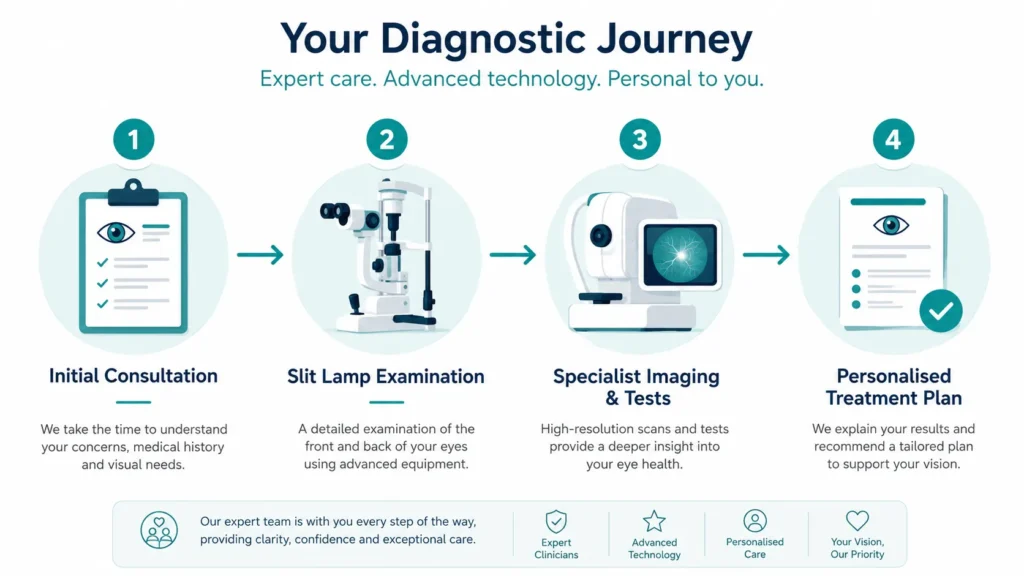
How We Diagnose Your Condition at The Eye Dr Clinic
Before the Procedure
Every patient begins with a thorough consultation with Mr Mohyudin, including a detailed eye examination using state-of-the-art 2026 diagnostic technology. This allows an accurate diagnosis and a treatment plan tailored to your specific condition, rather than a one-size-fits-all approach.
During Treatment
Most procedures we perform, from cataract surgery to eyelid correction, are day cases carried out under local anaesthetic at Spire Elland Hospital. You’ll be talked through what to expect at every stage, and Mr Mohyudin personally performs every procedure himself.
Recovery and Results
Recovery timelines vary by condition and procedure, from 24 hours for YAG laser treatment to one to two weeks for eyelid surgery. You’ll receive clear aftercare guidance and follow-up appointments to check on your progress.
Benefits of Choosing Private Eye Care in Yorkshire
- Faster diagnosis — avoid lengthy NHS waiting lists for initial assessment
- Rapid access to treatment — surgery within 1–2 weeks rather than 6–12 months
- Continuity of care — the same consultant sees you from consultation through to recovery
- Wider treatment options — including premium lens choices not always available on the NHS
- Flexible appointment times — designed around your schedule
Why Choose The Eye Dr Clinic?
Mr Mohamed Mohyudin is a GMC registered Consultant Ophthalmic Surgeon holding MBChB, BSc, MSc, FRCOphth and CCT qualifications, with Fellowship of the Royal College of Ophthalmologists. He personally performs every procedure at The Eye Dr Clinic, based at Spire Healthcare’s Elland Hospital in Halifax.
Patients across West Yorkshire, including Halifax, Huddersfield, Brighouse, Bradford, Leeds, Wakefield and Dewsbury, choose us for rapid access to consultant-led care, state-of-the-art 2026 diagnostic and surgical equipment, and transparent pricing with no hidden costs. Same-day emergency appointments are also available for urgent concerns.
Cost and Payment Options
Costs vary depending on your condition and treatment. As a guide, consultations typically start from £150, cataract surgery ranges from £2,800–£4,500 per eye, and eyelid procedures vary based on complexity. We offer transparent pricing with no hidden costs, along with payment plans to help spread the cost of treatment. Many procedures may also be covered by private health insurance; our team can help you check your policy.
Frequently Asked Questions About Eye Conditions in Yorkshire
1) What eye conditions does The Eye Dr Clinic treat in Yorkshire?
We treat the full range of adult eye conditions, including cataracts, eyelid malposition, blepharoplasty, watery eyes, chalazion, glaucoma, dry eye, squint and eye infections. Mr Mohyudin personally assesses and treats every patient at our Halifax clinic.
2) How quickly can I get an appointment for an eye condition in Yorkshire?
Private consultations are typically available within 1–2 weeks, compared with an NHS wait of 6–12 months for many conditions. Same-day emergency appointments are also available for urgent eye problems.
3) Do I need a GP referral to see an eye specialist in Yorkshire?
No referral is required to book a private consultation with Mr Mohyudin. You can contact The Eye Dr Clinic directly to arrange an appointment at Spire Elland Hospital.
4) How much does private eye treatment cost in Yorkshire?
Costs depend on the condition and treatment needed, with consultations from around £150 and procedures like cataract surgery ranging from £2,800–£4,500 per eye. We offer transparent pricing and payment plans, and many treatments may be covered by health insurance.
5) Which areas of Yorkshire does The Eye Dr Clinic serve?
We see patients from across West Yorkshire, including Halifax, Huddersfield, Bradford, Leeds, Wakefield, Brighouse and Dewsbury. Our clinic is based at Spire Elland Hospital, conveniently located just 10 minutes from Halifax.
Your Vision Matters to Us
Schedule your comprehensive eye examination today and discover how we can help you see the world more clearly.
Whatever your eye concern, contact us to book a consultation with Mr Mohyudin and get a clear diagnosis and treatment plan.