
Cataract Surgery Yorkshire: Complete Guide 2026

Cloudy, blurred vision doesn’t have to be your reality. If cataracts are affecting your ability to drive, read, or enjoy daily activities, cataract surgery Yorkshire offers a proven solution to restore crystal-clear sight. At The Eye Dr Clinic in West Yorkshire, Mr Mohamed Mohyudin, Consultant Ophthalmic Surgeon, provides expert cataract removal surgery using cutting-edge 2026 technology with rapid access typically within 1-2 weeks compared to NHS waiting times of 6-12 months.
Understanding Cataracts and How They Affect Your Vision
Cataract surgery Yorkshire removes your cloudy natural lens and replaces it with a clear artificial intraocular lens (IOL). The 15–20-minute procedure is performed under local anaesthetic as day surgery with a 98% success rate. Recovery takes 4-6 weeks with vision improving within 24-48 hours. Cost: £2,800-£4,500 per eye depending on lens choice. Available at The Eye Dr Clinic, Elland, Halifax, serving patients across Halifax, Huddersfield, Bradford, Leeds, and Wakefield. Same-week consultations available.
A cataract is a clouding of your eye’s natural lens the transparent structure behind your pupil that focuses light onto your retina. When this lens becomes opaque, light cannot pass through clearly, resulting in progressively blurred vision, glare, and difficulty with everyday tasks.
Cataracts are remarkably common, particularly as we age. By age 65, approximately 50% of people in the UK have some degree of cataract formation. By age 80, virtually everyone either has cataracts or has undergone cataract surgery. Whilst age is the primary risk factor, other causes include diabetes, smoking, prolonged UV exposure, eye injuries, and long-term steroid use.
Common Cataract Symptoms
You should consider cataract surgery Yorkshire consultation if you’re experiencing:
Vision Changes:
- Progressive blurred vision that glasses cannot correct
- Cloudy, dim, or foggy vision
- Colours appearing faded or yellowed
- Difficulty reading despite adequate lighting
- Double vision in one eye
- Frequent prescription changes that no longer help
Light Sensitivity Issues:
- Halos or starbursts around lights, especially when driving at night
- Severe glare from oncoming headlights or bright sunlight
- Increased sensitivity to bright lights
- Problems seeing in both very bright and very dim conditions
Daily Life Impact:
- Difficulty driving, particularly at night
- Trouble recognising faces at a distance
- Challenges watching television or using computers
- Decreased confidence in daily activities
- Fear of falling due to poor depth perception
If cataracts significantly impact your quality of life, safety, or independence, it’s time to explore treatment options with an experienced ophthalmologist Yorkshire trusts.
Modern Cataract Surgery: The 2026 Approach
Cataract surgery has evolved dramatically over the past decade. The 2026 approach combines microsurgical precision, advanced laser technology, and premium lens options that weren’t available even five years ago, offering patients unprecedented outcomes.
Phacoemulsification: The Gold Standard Technique
Modern cataract surgery Yorkshire clinics offer utilises phacoemulsification an advanced microsurgical technique requiring only a tiny 2-3mm incision. This minimally invasive approach means faster healing, lower infection risk, and typically no stitches required.
How the Procedure Works:
Pre-Operative Preparation (30 minutes): Your eye is dilated with drops and thoroughly numbed using local anaesthetic drops and injections. You remain awake but completely comfortable and pain-free throughout the procedure. Many patients opt for mild sedation to help them relax.
The Surgical Process (15-20 minutes per eye):
Step 1: Creating the Micro-Incision
Mr Mohyudin creates a precise 2-3mm incision at the edge of your cornea using either a diamond blade or femtosecond laser. Advanced imaging technology guides exact placement for optimal results.
Step 2: Accessing the Lens
A circular opening is created in the lens capsule (capsulorhexis) think of it as opening a door to access the cloudy lens inside whilst preserving the natural capsule to hold your new lens.
Step 3: Breaking Up the Cataract
Using ultrasound energy (phacoemulsification), the cloudy lens is gently broken into tiny fragments. These fragments are carefully suctioned out, leaving the clear capsule intact.
Step 4: Inserting Your New Lens
A foldable intraocular lens (IOL) is inserted through the tiny incision. Once inside, it unfolds and positions itself perfectly within the preserved capsule. The lens becomes a permanent part of your eye.
Step 5: Natural Healing
The micro-incision is so small it typically seals itself without stitches. A protective shield is placed over your eye, and you’re ready to go home within 1-2 hours.
Advanced 2026 Technology at The Eye Dr Clinic
Mr Mohyudin utilises state-of-the-art diagnostic and surgical equipment that sets modern cataract surgery apart:
Pre-Operative Diagnostics:
- Optical Coherence Tomography (OCT): Creates detailed 3D maps of your eye structures
- Advanced Biometry: Laser measurements accurate to within microns ensure perfect lens power calculation
- Corneal Topography: Maps your cornea’s shape for precise astigmatism assessment
- Intraoperative Aberrometry: Real-time measurements during surgery verify optimal lens selection
Surgical Precision:
- Operating Microscopes: High-magnification visualisation for meticulous technique
- Phacoemulsification Systems: Latest-generation equipment with intelligent energy delivery
- Femtosecond Laser (when indicated): Computer-controlled precision for complex cases
- Advanced IOL Delivery Systems: Ensuring safe, precise lens implantation
This combination of expertise and technology delivers exceptional outcomes with minimal risk.
Premium Lens Options: See Your Best After Surgery
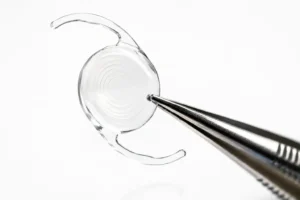
One of the most exciting advances in cataract surgery Yorkshire offers is the comprehensive range of premium intraocular lenses (IOLs)
available in 2026. Your lens choice significantly impacts your vision quality and glasses dependence after surgery.
Standard Monofocal Lenses
Traditional monofocal IOLs provide excellent vision at one distance typically optimised for clear distance vision. You’ll need reading glasses for close work.
Best For:
- Patients comfortable wearing reading glasses
- Those prioritising distance vision (driving, television, outdoor activities)
- Budget-conscious patients seeking proven, reliable results
Cost: £2,800-£3,200 per eye
Toric Lenses for Astigmatism Correction
If you have astigmatism (approximately 30% of cataract patients do), standard lenses cannot correct this irregular corneal curvature. Toric IOLs address both your cataract and astigmatism simultaneously.
Benefits:
- Dramatically sharper distance vision than standard lenses
- 95%+ success rate in astigmatism correction
- Significantly reduces or eliminates need for distance glasses
- Particularly beneficial for patients with 1.0+ dioptres of astigmatism
Mr Mohyudin uses precision measurements and advanced alignment technology to position toric lenses with extraordinary accuracy, ensuring optimal outcomes.
Cost: £3,500-£4,200 per eye
Multifocal and Trifocal Lenses
These revolutionary lenses provide clear vision at multiple distances near, intermediate, and far dramatically reducing or eliminating glasses dependence for most daily activities.
How They Work:
The lens surface contains multiple zones with different optical powers. Your brain learns to automatically select the appropriate zone based on what you’re viewing similar to how progressive glasses work, but without the frames.
Benefits:
- Clear vision for reading, computer work, and distance
- 80-90% of patients rarely or never wear glasses
- Freedom to perform daily activities without constantly reaching for spectacles
- Can be combined with toric correction for astigmatic patients
Considerations:
- Adaptation period of 4-12 weeks as your brain adjusts
- Some patients experience mild halos around lights initially (typically diminish over time)
- Not ideal for professional night drivers or pilots
- Higher investment than monofocal lenses
Cost: £4,500-£5,500 per eye
Learn more about Premium Lens Options During Cataract Surgery to explore which lens best suits your lifestyle and vision goals.
Extended Depth of Focus (EDOF) Lenses
EDOF lenses represent the newest innovation in IOL technology, offering a middle ground between monofocal and multifocal lenses.
Benefits:
- Excellent distance and intermediate vision (computer, dashboard, cooking)
- Functional near vision for most tasks
- Minimal halos and glare compared to multifocal lenses
- Natural vision quality with smooth transitions
- Ideal for computer users and frequent drivers
Best For:
- Patients who prioritise natural vision quality
- Those who drive regularly, including at night
- Computer professionals and office workers
- People willing to use readers occasionally for prolonged close work
Cost: £4,200-£5,200 per eye
What to Expect: Your Cataract Surgery Journey
Initial Consultation (60-90 minutes)
Your journey begins with a comprehensive consultation with Mr Mohyudin at The Eye Dr Clinic. This thorough assessment includes:
Medical History Discussion:
- Current symptoms and how cataracts affect your daily life
- Medical conditions (diabetes, glaucoma, eye injuries)
- Medications and allergies
- Previous eye surgeries or treatments
- Family history of eye disease
Comprehensive Eye Examination:
- Visual acuity testing (with and without current glasses)
- Detailed refraction to determine prescription
- Intraocular pressure measurement (glaucoma screening)
- Slit lamp examination of eye structures
- Dilated fundus examination (retina and optic nerve assessment)
Advanced Diagnostic Testing:
- Biometry measurements for IOL power calculation
- Corneal topography mapping
- OCT imaging when indicated
- Assessment of overall eye health
Treatment Planning: Mr Mohyudin will discuss your diagnosis, explain which cataract surgery techniques best suit your needs, review premium lens options based on your lifestyle and vision goals, provide transparent cost breakdown, answer all your questions thoroughly, and discuss realistic expectations and outcomes.
You’ll leave with a clear understanding of your condition, treatment options, and next steps. Surgery can typically be scheduled within 1-2 weeks dramatically faster than NHS waiting times of 6-12 months.
Pre-Operative Preparation
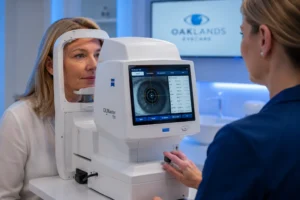
In the days before surgery:
- Continue your regular medications unless specifically instructed otherwise
- Arrange transportation (you cannot drive on surgery day)
- Plan for 1-2 days off work for rest
- Purchase recommended supplies (artificial tears, sunglasses)
- Fast if receiving sedation (instructions provided)
- Remove contact lenses 48 hours before surgery
Surgery Day Experience
Arrival and Preparation (60 minutes): You’ll arrive at Spire Healthcare, Elland, where our friendly team welcomes you. Pre-operative checks are completed, dilating drops administered, and you’ll change into a surgical gown. The anaesthetist explains the anaesthetic process and ensures you’re comfortable.
The Procedure (15-20 minutes): In the modern operating theatre, Mr Mohyudin performs your cataract removal with meticulous precision. You’re awake but completely comfortable. Many patients are surprised how quick and painless the experience is.
Recovery (30-60 minutes): You’ll rest in a comfortable recovery area whilst the initial effects of any sedation wear off. Your eye is protected with a clear shield. Once Mr Mohyudin confirms you’re ready, you’re discharged home with detailed aftercare instructions and prescribed eye drops.
Recovery Timeline and Results
First 24-48 Hours:
- Vision is typically blurry initially as your eye adjusts
- Mild grittiness or foreign body sensation is normal
- Light sensitivity (wear sunglasses)
- Eye may water occasionally
- Protective shield worn overnight
- Most patients notice significant improvement by day 2
First Week:
- Vision continues improving daily
- Colours appear brighter and more vivid
- Follow-up appointment to check healing progress
- Continue prescribed antibiotic and anti-inflammatory drops
- Avoid rubbing your eye
- No swimming, heavy lifting, or strenuous exercise
- Can watch television, use computer, perform light activities
Weeks 2-4:
- Vision stabilises significantly
- Most restrictions lifted after 2-3 weeks
- Can resume exercise, swimming (with goggles), and normal activities
- Eye makeup permitted after 2 weeks
- Continue eye drops as prescribed
4-6 Weeks: Final Results:
- Complete healing achieved
- Final vision outcome apparent
- New glasses prescription (if needed) can be obtained
- Resume all activities without restrictions
- Enjoy your restored clear vision
Success Rates: Cataract surgery boasts a 98% success rate one of the highest of any surgical procedure. The vast majority of patients achieve 20/40 vision or better (legal driving standard), with many achieving 20/20 or better depending on IOL selection and pre-existing eye conditions.
Why Choose The Eye Dr Clinic for Cataract Surgery?
Expert, Consultant-Led Care
Mr Mohamed Mohyudin MBChB BSc MSc FRCOphth CCT is a highly experienced Consultant Ophthalmic Surgeon registered with the General Medical Council. Unlike large corporate clinics where you may see different doctors at each visit, Mr Mohyudin personally:
- Conducts your initial consultation and all assessments
- Performs your surgery (every procedure, every time)
- Provides your post-operative care and follow-up
- Remains available for any questions or concerns
This continuity ensures comprehensive understanding of your unique eye health, consistent treatment approach, strong doctor-patient relationship, and optimal outcomes through personalised care.
Rapid Access When You Need It
NHS Waiting Times: 6-12 months from referral to surgery
The Eye Dr Clinic: 1-2 weeks from consultation to surgery
Why wait months suffering with poor vision when clear sight is available within weeks? Our streamlined process means you can:
- Schedule consultations within days
- Undergo surgery the following week
- Return to normal activities quickly
- Regain independence and quality of life
Same-day emergency appointments are available for urgent concerns.
Comprehensive Premium Lens Portfolio
We offer the complete range of 2026 IOL technology:
- Standard monofocal lenses
- Toric lenses for astigmatism
- Multifocal and trifocal lenses
- Extended depth of focus (EDOF) lenses
- Custom combinations for complex cases
Mr Mohyudin takes time to understand your lifestyle, visual priorities, and goals, recommending the lens that best suits your needs without pressure to upgrade.
State-of-the-Art Technology
Our modern facility at Spire Healthcare features:
- Latest-generation phacoemulsification systems
- Advanced biometry and OCT imaging
- Dedicated ophthalmic operating theatres
- Comprehensive diagnostic equipment
- Comfortable patient areas
- Convenient free parking
Convenient West Yorkshire Location
Located in Elland, Halifax, we’re easily accessible from across West Yorkshire:
- Halifax: 10 minutes
- Brighouse: 5 minutes
- Huddersfield: 15 minutes
- Bradford: 25 minutes
- Leeds: 30 minutes
- Wakefield: 30 minutes
- Dewsbury: 20 minutes
Free parking and excellent transport links make your visits stress-free.
Transparent, Fair Pricing
Standard Cataract Surgery: £2,800-£3,200 per eye
Toric Lens Upgrade: £3,500-£4,200 per eye
Premium Multifocal/EDOF: £4,500-£5,500 per eye
All-Inclusive Pricing Covers:
- Pre-operative consultation and assessments
- All diagnostic testing and imaging
- Surgeon’s fees (Mr Mohyudin personally)
- Anaesthetist fees
- Operating theatre and facility costs
- Standard IOL (premium upgrades additional)
- All post-operative appointments for 12 months
- Prescribed medications
- Any necessary adjustments
Payment Options:
- Private medical insurance (accepted from all major providers: Bupa, AXA PPP, Aviva, Vitality, WPA, Cigna, and more)
- Self-pay with transparent upfront pricing
- Interest-free payment plans available
- No hidden costs or surprise fees
What Happens If You Delay Cataract Surgery?
Whilst cataracts themselves don’t damage your eye, delaying treatment when they significantly impact your life carries real consequences:
Safety Risks:
- Increased fall risk from poor depth perception and vision
- Dangerous driving conditions putting you and others at risk
- Higher accident risk at home and work
- Reduced ability to manage medications safely
Quality of Life Impact:
- Loss of independence and confidence
- Difficulty reading, watching television, using computers
- Reduced social engagement and isolation
- Depression and anxiety from vision loss
- Inability to enjoy hobbies and activities you love
Surgical Complexity:
- Very mature, dense cataracts are more challenging to remove
- Increased surgery time and complication risk
- Potentially longer recovery
- May limit premium lens options
The good news: cataracts are treatable at any stage. However, addressing them when they first impact your quality of life ensures optimal outcomes and faster return to enjoying life fully.
After Cataract Surgery: Secondary Cataracts

Approximately 20-30% of patients develop posterior capsule opacification (PCO) sometimes called a “secondary cataract” month or years after successful cataract surgery. This isn’t a new cataract forming; rather, the natural lens capsule left behind to hold your IOL becomes cloudy.
Symptoms:
- Gradual blurred vision returning
- Glare around lights
- Difficulty reading
Treatment: PCO is easily treated with YAG laser capsulotomy a quick, painless 5-minute laser procedure that creates a clear opening in the cloudy capsule. Vision typically improves within 24 hours, and the treatment is permanent. This procedure is available at The Eye Dr Clinic and is often covered by insurance.
Your Vision Matters to Us
Schedule your comprehensive cataract consultation today and discover how we can help you see the world more clearly.
Book Your Appointment Now
Frequently Asked Questions About Cataract Surgery Yorkshire
1) Is cataract surgery painful?
No, cataract surgery is not painful. Your eye is completely numbed with anaesthetic drops and injections before the procedure begins, so you feel no pain during the 15-20 minute surgery. Afterwards, most patients experience only mild grittiness or a scratchy sensation (like having an eyelash in your eye) that resolves within a few days. Over-the-counter paracetamol adequately manages any discomfort.
2) How long is the NHS waiting time for cataract surgery in Yorkshire compared to private?
NHS waiting times for cataract surgery in Yorkshire currently average 6-12 months from GP referral to surgery, depending on your location and cataract severity. At The Eye Dr Clinic, private patients typically have surgery within 1-2 weeks of their initial consultation. For many patients, regaining clear vision months earlier significantly improves quality of life and is worth the private investment.
3) Can I have both eyes done on the same day?
Whilst some surgeons offer same-day bilateral cataract surgery, Mr Mohyudin typically recommends operating on eyes separately, usually 1-2 weeks apart. This approach allows the first eye to heal and ensures optimal results before proceeding with the second eye. It also lets us adjust the second eye’s lens power if needed based on the first eye’s outcome. Same-day bilateral surgery may be considered in specific circumstances after thorough discussion.
4) Will I still need glasses after cataract surgery?
This depends on your IOL choice. With standard monofocal lenses set for distance vision, you’ll need reading glasses for close work. Multifocal or EDOF lenses dramatically reduce glasses dependence, with 80-90% of patients rarely wearing glasses for daily activities. However, some may still want readers for prolonged reading or very fine print. During consultation, Mr Mohyudin discusses realistic expectations based on your chosen lens.
5) What is the success rate of cataract surgery at The Eye Dr Clinic?
Cataract surgery has a 98% overall success rate one of the highest in all of medicine. At The Eye Dr Clinic, outcomes match or exceed these national benchmarks. The vast majority of patients achieve significantly improved vision, with 95%+ reaching 20/40 (legal driving standard) or better. Many achieve 20/20 or better vision, particularly with premium IOLs. Complications are rare (<2%), and most are minor and treatable when they occur.