
Eyelid Cyst Surgery: Expert Treatment for Chalazion Removal
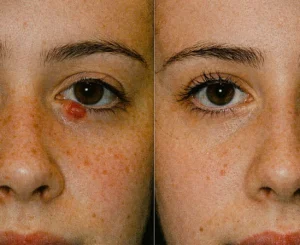
If you’ve noticed a persistent lump on your eyelid that won’t seem to go away, you’re likely dealing with an eyelid cyst, medically known as a chalazion. Whilst these benign lumps are generally harmless, they can be uncomfortable, unsightly, and in some cases, affect your vision. At The Eye Dr Clinic in West Yorkshire, Mr Mohamed Mohyudin, Consultant Ophthalmic Surgeon, specialises in eyelid cyst surgery a straightforward, effective procedure that can eliminate your chalazion and restore both comfort and confidence.
What Is an Eyelid Cyst (Chalazion)?
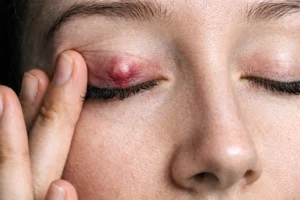
An eyelid cyst, or chalazion, is a firm, painless lump that develops in your eyelid when one of the tiny oil-producing glands becomes blocked. Your eyelids contain numerous meibomian glands along the lid margins, which produce an oily substance that helps keep your eyes properly lubricated. When the opening of one of these glands becomes obstructed by inflammation or thickened oil secretions, the trapped material accumulates within the gland, forming a visible lump.
Chalazions typically develop slowly over several weeks and can occur on either the upper or lower eyelid. They may vary in size from a few millimetres to over a centimetre in diameter. Unlike a stye (hordeolum), which is an acute bacterial infection that causes pain and tenderness, a chalazion is usually painless, though it may cause a feeling of heaviness in the eyelid.
Common Symptoms of Eyelid Cysts
Recognising the signs of a chalazion can help you seek timely treatment:
- A firm, round lump in the upper or lower eyelid
- Swelling of the eyelid, which may affect your appearance
- Mild tenderness or discomfort, particularly if the cyst becomes inflamed
- Blurred vision if the chalazion is large enough to press on your eyeball
- A feeling of heaviness or fullness in the affected eyelid
- Redness and inflammation around the lump
- Increased tearing or watering of the eye
- Light sensitivity in some cases
Whilst small chalazions may resolve spontaneously within two to eight weeks, larger or persistent cysts often require professional intervention.
What Causes Eyelid Cysts?
Understanding what causes chalazions can help you take preventive measures. Several factors can contribute to the development of eyelid cysts:
Blocked Oil Glands:
The primary cause is obstruction of the meibomian glands due to thickened secretions or inflammation at the gland opening.
Rosacea:
This common skin condition, which causes facial redness and inflammation, frequently affects the eyelids and can predispose individuals to developing chalazions.
Blepharitis:
Chronic inflammation of the eyelid margins can lead to blockage of the oil glands, increasing the risk of chalazion formation.
Poor Eyelid Hygiene:
Inadequate cleansing of the eyelid margins can allow debris and bacteria to accumulate, contributing to gland obstruction.
Previous Chalazion:
If you’ve had one chalazion, you’re at increased risk of developing another.
Seborrhoeic Dermatitis:
This inflammatory skin condition can affect the eyelids and contribute to gland dysfunction.
Viral Conjunctivitis:
Though rare, previous viral eye infections may increase susceptibility to chalazion development.
When Is Eyelid Cyst Surgery Necessary?
Many small chalazions respond well to conservative home treatments such as warm compresses and gentle lid massage. However, eyelid cyst surgery becomes necessary under several circumstances:
Persistent Chalazion:
If your eyelid cyst has not improved after four to six weeks of conservative treatment, surgical removal may be recommended.
Large Size:
Chalazions that are large enough to cause visual disturbance by pressing on the eyeball or significantly affecting your appearance warrant surgical intervention.
Recurrent Cysts:
If you experience frequent chalazions in the same location, surgery may be the most effective long-term solution.
Cosmetic Concerns:
A prominent chalazion can be aesthetically displeasing, affecting your self-confidence and quality of life.
Discomfort:
Whilst chalazions are typically painless, some can become inflamed and cause significant discomfort or tenderness.
Uncertainty of Diagnosis:
In rare cases where there’s concern that the lump might be something other than a benign chalazion, such as a sebaceous gland carcinoma, surgical removal allows for tissue examination to rule out malignancy.
The Eyelid Cyst Surgery Procedure
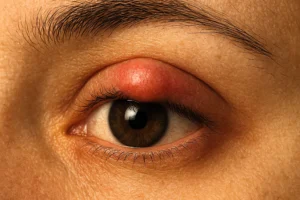
At The Eye Dr Clinic, Mr Mohyudin performs eyelid cyst surgery as a minor outpatient procedure. The surgery is technically known as incision and curettage, and it typically takes just 10 to 15 minutes to complete. Here’s what you can expect:
Preparation and Anaesthesia
Before the procedure begins, you’ll receive local anaesthetic to numb the eyelid completely. This ensures you won’t feel any pain during the surgery. In most cases, local anaesthesia is sufficient, though mild sedation may be offered if you feel anxious. For young children, general anaesthesia may be necessary.
The area around your eye will be cleaned and prepared using a sterile solution. Anaesthetic drops will be administered to your eye, followed by a local anaesthetic injection beneath the skin and muscle of the affected eyelid.
The Surgical Technique
Once the anaesthetic has taken full effect, Mr Mohyudin will use a specialised instrument called a chalazion clamp to hold your eyelid steady and control bleeding during the procedure. The clamp is positioned over the cyst and gently tightened.
Your eyelid will then be carefully everted (turned inside out) to expose the inner conjunctival surface. This approach is preferred because it allows access to the chalazion without making any external incisions on your visible eyelid skin, eliminating the risk of scarring.
Using a small surgical blade, Mr Mohyudin will make a tiny vertical incision through the tarsal plate (the firm tissue of the eyelid) directly over the chalazion. The incision is typically only a few millimetres long. Once the incision is made, the contents of the cyst a thick, cheese-like material will be expressed.
A small surgical instrument called a curette is then used to gently scrape the walls of the cyst cavity, ensuring complete removal of all chalazion material and the cyst lining. This thorough cleaning is crucial to prevent recurrence.
The curetted tissue is routinely sent for histopathological examination to confirm the diagnosis and rule out any rare conditions, such as sebaceous gland carcinoma, which can occasionally masquerade as a chalazion.
After the Surgery
Once the chalazion has been completely removed, pressure is applied to the area to control any minor bleeding. In most cases, no stitches are required, as the small incision on the inner eyelid heals naturally without suturing.
Antibiotic ointment will be applied to your eyelid, and a protective pad will be placed over your eye. You’ll be able to go home the same day, typically within an hour of the procedure. The eye pad should remain in place for at least four hours to minimise swelling and bruising.
Recovery and Aftercare
Recovery from eyelid cyst surgery is generally quick and straightforward. Most patients experience minimal discomfort and can return to normal activities within one to two days. Here’s what to expect during your recovery:
Immediate Post-Operative Care
When the local anaesthetic wears off, you may experience mild discomfort, soreness, or a gritty sensation in your eye. Over-the-counter pain relief such as paracetamol is usually sufficient to manage any discomfort. Avoid aspirin and ibuprofen for the first 24 hours, as these can increase bleeding risk.
After removing the eye pad (usually four hours post-surgery), you may notice some blood-stained discharge or crusting around your eyelid. This is perfectly normal. Clean your eyelid gently using cooled boiled water and cotton wool, wiping from the inner corner outward.
Medication
Mr Mohyudin will prescribe antibiotic ointment or drops to prevent infection and reduce inflammation. Apply this medication as directed, typically three to four times daily for four to seven days. You may also be given steroid drops or ointment to minimise swelling and promote healing.
Activity Restrictions
First 24-48 Hours:
Rest and avoid strenuous activities. You can perform light activities and return to desk work after one to two days.
First Week:
Avoid swimming, heavy exercise, and activities that could potentially injure your eye. Do not wear contact lenses for at least one week following surgery.
First Two Weeks:
Continue to avoid contact sports and situations where your eye could be bumped or injured.
First Month:
Refrain from wearing eye makeup for approximately two weeks, or as advised by Mr Mohyudin. When you do resume makeup application, use fresh products to avoid reintroducing bacteria to the healing area.
Driving
You should avoid driving for 24 to 48 hours after the procedure, particularly whilst your eye is padded, as depth perception and peripheral vision will be affected.
Follow-Up Care
Most patients do not require a formal follow-up appointment after straightforward chalazion removal. However, if you experience any concerning symptoms or if your chalazion was particularly large or complex, Mr Mohyudin may schedule a review appointment to ensure proper healing.
Potential Risks and Complications
Eyelid cyst surgery is considered a safe, low-risk procedure. However, as with any surgical intervention, there are potential complications to be aware of:
Common, Minor Side Effects:
- Bruising and swelling of the eyelid, which typically resolves within one to two weeks
- Minor bleeding from the surgical site
- Temporary grittiness or foreign body sensation
- Mild discomfort or tenderness
Rare Complications:
- Infection of the surgical site (occurs in less than 1% of cases)
- Recurrence of the chalazion (affects fewer than 10% of patients)
- Lid notching or irregularity of the eyelid margin if the incision extends too far
- Injury to nearby structures such as the punctum (tear drainage opening) or canaliculi, particularly with medial eyelid chalazions
- Scarring, though this is extremely rare with the internal approach
When to Seek Immediate Medical Attention:
Contact The Eye Dr Clinic or seek emergency eye care if you experience:
- Severe eye pain that doesn’t respond to over-the-counter pain relief
- Significant vision loss or sudden changes in vision
- Increasing redness, swelling, or warmth around the eye
- Fever or signs of systemic infection
- Discharge of pus from the surgical site
- Symptoms that worsen rather than improve after surgery
Alternative Treatments for Eyelid Cysts
Before considering surgery, several conservative treatment options may be recommended:
Warm Compresses
Applying a warm compress to the affected eyelid for 10 to 15 minutes, three to four times daily, can help liquefy the thickened oils blocking the gland. This encourages natural drainage of the chalazion.
Eyelid Massage
After applying a warm compress, gentle massage of the eyelid in the direction of the eyelashes can help express the blocked material. Use clean fingers to apply steady, gentle pressure never squeeze forcefully, as this can damage delicate eyelid structures.
Eyelid Hygiene
Keeping your eyelid margins clean using lid scrubs or diluted baby shampoo can help prevent further blockages and reduce inflammation.
Steroid Injections
As an alternative to surgery, Mr Mohyudin may offer a corticosteroid injection directly into the chalazion. This can reduce inflammation and promote resolution without surgery. However, steroid injections carry a small risk of skin depigmentation (lightening) at the injection site and may not be as definitively curative as surgical removal.
Antibiotic Treatment
If your chalazion becomes infected or if you have significant inflammation, oral antibiotics or antibiotic ointment may be prescribed. However, antibiotics alone do not resolve the chalazion itself.
Preventing Eyelid Cysts
Whilst it’s not always possible to prevent chalazions, several measures can reduce your risk:
- Maintain excellent eyelid hygiene by cleansing your eyelid margins daily
- Remove all eye makeup thoroughly before bed
- Avoid touching or rubbing your eyes with unwashed hands
- Replace eye makeup regularly (every three to six months) to prevent bacterial contamination
- Manage underlying conditions such as rosacea, blepharitis, or seborrhoeic dermatitis
- If you’re prone to chalazions, consider using warm compresses preventatively several times per week
- Ensure a healthy diet rich in omega-3 fatty acids, which support meibomian gland function
Why Choose The Eye Dr Clinic for Eyelid Cyst Surgery?
Mr Mohamed Mohyudin (MBChB BSc MSc FRCOphth CCT) brings extensive expertise in oculoplastic surgery to The Eye Dr Clinic. As a Consultant Ophthalmic Surgeon registered with the General Medical Council, he is highly experienced in performing eyelid cyst surgery with precision and care.
At our clinic in West Yorkshire, we utilise state-of-the-art surgical equipment and adhere to the highest clinical standards. Mr Mohyudin takes a patient-centred approach, ensuring you feel comfortable and fully informed throughout your treatment journey.
From your initial consultation through to post-operative care, you’ll receive personalised attention and expert guidance. Mr Mohyudin is committed to achieving optimal outcomes whilst prioritising your comfort, safety, and satisfaction.
What to Expect During Your Consultation
Your journey begins with a comprehensive consultation at The Eye Dr Clinic. During this appointment, Mr Mohyudin will:
- Take a detailed medical history, including any previous eyelid problems or underlying conditions
- Perform a thorough examination of your eyelids and eyes
- Assess the size, location, and characteristics of your chalazion
- Discuss your symptoms and how the cyst is affecting your quality of life
- Explain whether conservative treatments might be beneficial or if surgery is recommended
- Answer all your questions about the procedure, recovery, and expected outcomes
- Provide clear information about costs if you’re self-funding or using private medical insurance
This collaborative approach ensures that you’re fully involved in decisions about your eye care and treatment plan.
Life After Eyelid Cyst Surgery
Following successful eyelid cyst surgery, you can look forward to several benefits:
Improved Appearance:
The unsightly lump will be removed, restoring the normal contour of your eyelid and enhancing your appearance.
Relief from Discomfort:
Any tenderness, heaviness, or irritation caused by the chalazion will be eliminated.
Restored Vision:
If your chalazion was large enough to affect your vision, surgery will restore clear, unobstructed sight.
Reduced Anxiety:
Many patients feel self-conscious about a visible eyelid lump. Removal provides psychological relief and improved confidence.
Prevention of Complications:
Surgical removal prevents potential complications such as infection or chronic inflammation.
Low Recurrence:
With complete removal of the cyst and its lining, recurrence rates are low, particularly when combined with good eyelid hygiene.
The cosmetic results of eyelid cyst surgery are excellent, as the incision is made on the inner eyelid surface, leaving no visible external scarring. Within a few weeks, your eyelid will appear completely normal, with no evidence that surgery was performed.
Frequently Asked Questions About Eyelid Cyst Surgery
1. Is eyelid cyst surgery painful?
No, eyelid cyst surgery is not painful. The procedure is performed under local anaesthetic, which completely numbs your eyelid. After surgery, you may experience mild soreness or grittiness, easily managed with paracetamol.
2. How long does it take to recover from eyelid cyst surgery?
Recovery from eyelid cyst surgery is remarkably quick, with most patients returning to work within one to two days. Swelling and bruising typically subside within one to two weeks. Avoid strenuous exercise for two weeks and refrain from contact lenses for one week and eye makeup for two weeks.
3. Can an eyelid cyst come back after surgery?
Whilst eyelid cyst surgery is highly effective, there is a small chance of recurrence in fewer than one in ten cases. Mr Mohyudin takes great care to completely remove all chalazion material and the cyst wall to minimise recurrence risk. Maintaining good eyelid hygiene and managing underlying conditions like blepharitis can further reduce the likelihood of future chalazions.
4. Will I need time off work after eyelid cyst surgery?
Most patients require minimal time off work, typically returning within one to two days for desk jobs or non-physical work. You should avoid heavy lifting, strenuous activities, and jobs that risk eye injury for at least two weeks. Mr Mohyudin will provide specific advice based on your occupation during your consultation.
Your Vision Matters to Us
Schedule your comprehensive eye examination today and discover how we can help you see the world more clearly.
The Eye Dr Clinic offers expert eyelid cyst surgery at Spire Healthcare in Elland, Halifax. Mr Mohamed Mohyudin, our experienced Consultant Ophthalmic Surgeon, is dedicated to providing safe, effective chalazion removal with excellent cosmetic results. Contact us today to discuss your eyelid concerns and learn whether eyelid cyst surgery is right for you.